
Starting a Landscaping Business With What You Have

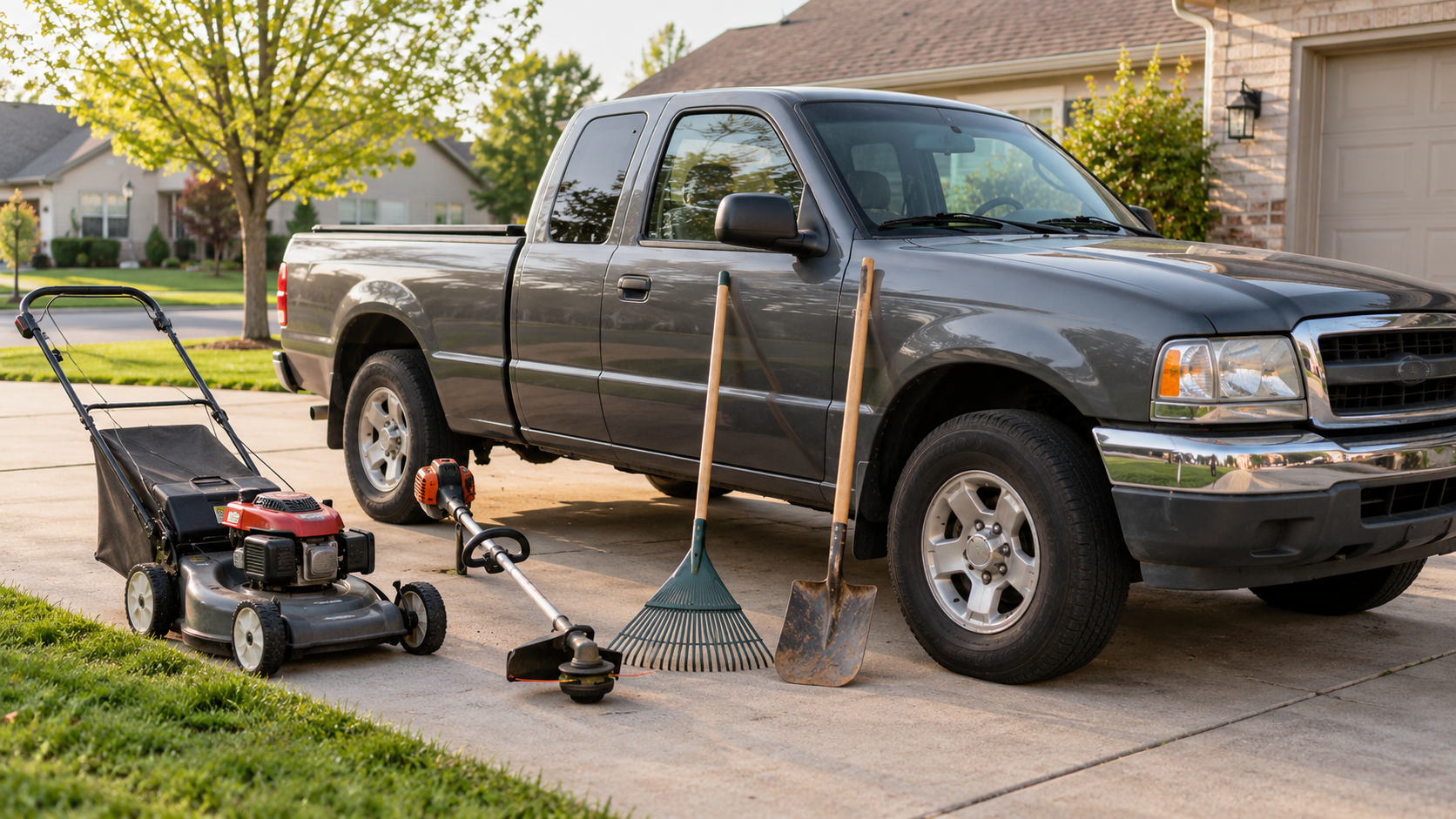
You’re looking at somebody else’s truck, trailer, and equipment, thinking, “How am I supposed to compete with that?”
Meanwhile, you’ve got a few tools and some time after work. Maybe you’ve been putting off starting because your setup doesn’t look like a business yet.
Before you spend another weekend shopping for equipment, take a look at the work you could already do.
What do you know how to do well? What tools can you use? And what kind of job could you confidently finish with those resources?
Those questions give you somewhere to start.
Match the Work to Your Current Setup
“Landscaping” covers a lot of different work. You don’t need to offer all of it when you’re getting started.
If you have basic hand tools, experience maintaining garden beds, and a way to handle the debris, you might be ready to offer weeding and small bed cleanups.
If you have a dependable mower and the equipment to trim and clean up afterward, a few nearby lawns might make sense.
Choose work you understand. Think through the entire job, including loading, transportation, cleanup, and disposal.
A job can look simple until you realize you have no way to haul away what you removed. Figure that out before you promise the customer you’ll take care of everything.
Separate What You Need From What You Want
When you’re excited about starting, almost any purchase can feel necessary.
A bigger mower. A trailer. Matching shirts. A professionally designed logo.
Write down what you think you need. Then ask this question beside each item:
What specific problem would this solve for a job I’m prepared to take?
Some things belong on the list right away. Working equipment and appropriate protective gear, for example, affect your ability to complete the work safely.
Other purchases can wait until you have a clearer reason for them.
A logo can help people recognize your business. But spending three weeks choosing one can also delay the conversations that would help you find work.
Give yourself a basic, usable starting point. You can improve it as you go.
Check the Whole Cost Before Taking the Job
Using equipment you already own can reduce what you need to spend upfront. You still have costs.
Before you quote a job, think through the materials, fuel, travel, disposal, equipment use, and time involved.
Include the parts customers don’t see: picking up supplies, loading the vehicle, unloading afterward, and cleaning your tools.
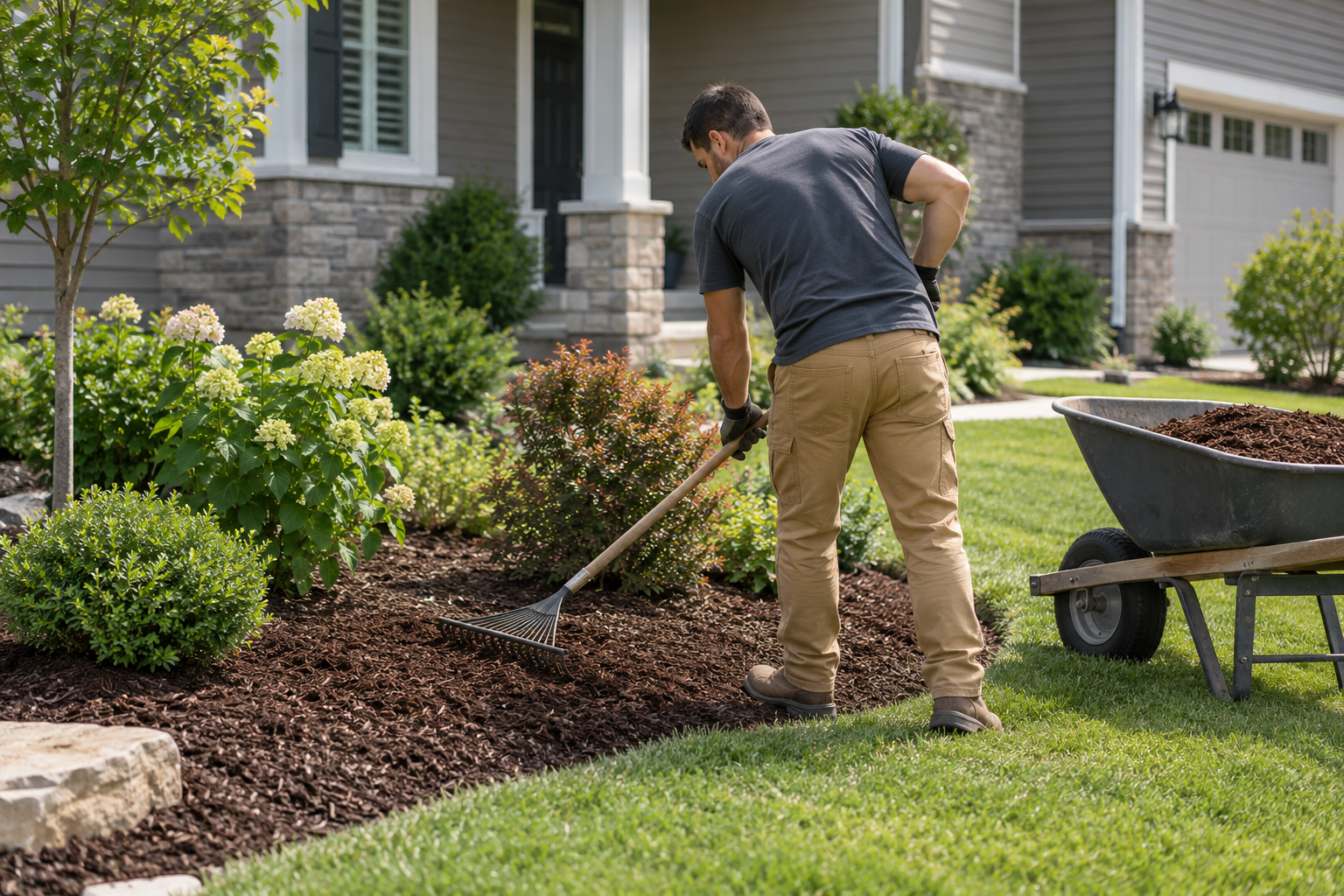
For example, spreading mulch might take three hours on the property. But if buying, transporting, and handling the materials takes another two hours, you need to account for that time too.
Afterward, compare your estimate with what actually happened. Those notes will help you make a better decision on the next job.
Make Your Communication Professional From Day One
You can build good habits while your setup is still small.
Return the call. Write down what the customer wants. Explain what your price includes and what happens next.
If you agree to weed two garden beds, be specific about which beds and whether hauling away the debris is included.
If the customer asks for additional work, discuss the price before you begin it.
Clear communication gives the customer fewer things to worry about. It also helps you avoid doing work you never included in the estimate.
Give Yourself One Useful Assignment
This week, write down one service you can confidently provide with your current skills and resources.
List what’s included, what equipment it requires, and anything you still need to arrange.
Then take one step toward offering it. That might mean contacting someone who has already asked for help, writing a clear service description, or checking the cost of renting a tool for a specific project.
Keep the assignment small enough to finish.
You’ll learn things from preparing and completing real work that you won’t learn by endlessly comparing equipment online. Use those lessons to decide what your business needs next.
Help Make Untrapped Live Happen
Want to spend two days learning with me and other business owners about pricing, marketing, sales, and growing your business?
I’m looking for 100 people interested in attending Untrapped Live before moving forward with the event.
If you’d like to be there, add your name to the waiting list. Joining shows your interest—it isn’t a ticket purchase or a commitment to attend.
