
From Side Hustle to Service Business: How I Started With a Few Tools

For a long time, I thought you needed a pile of money to start a landscaping business. I pictured a good truck, a trailer, and thousands of dollars’ worth of equipment.
I didn’t have any of that.
I was working a lawn care job for $9.50 an hour. I was broke, bills were piling up, and debt collectors were calling. Then a friend asked me to help with a landscaping job on a Saturday. That day changed how I looked at starting a business.
We trimmed bushes, pulled weeds, spread mulch, and did some other yard work. On the way home, I asked my friend how he got the customer and what the job was worth.
He told me he’d found the job by posting an ad online. The project was worth about $1,400.
That got my attention. I’d been telling myself I needed $20,000, $30,000, maybe even $40,000 to start a business. But my friend had found a customer first—and figured out how to get the work done with the tools he had.
I started to see that I might not need to wait until I had the perfect setup. I could start with one customer and build from there.
Start With the Skill You Already Have
I’d been doing landscaping for years. I knew how to work outside and how to get the job done. What I hadn’t done yet was go out and find customers for myself.
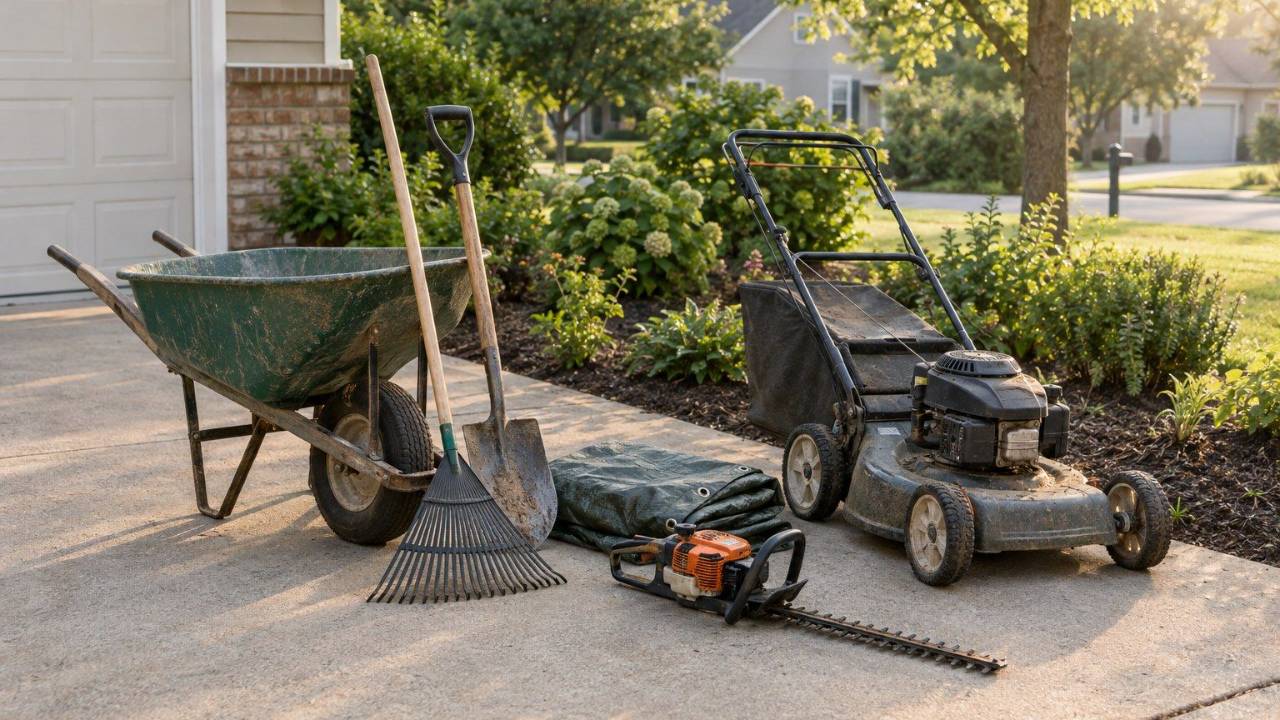
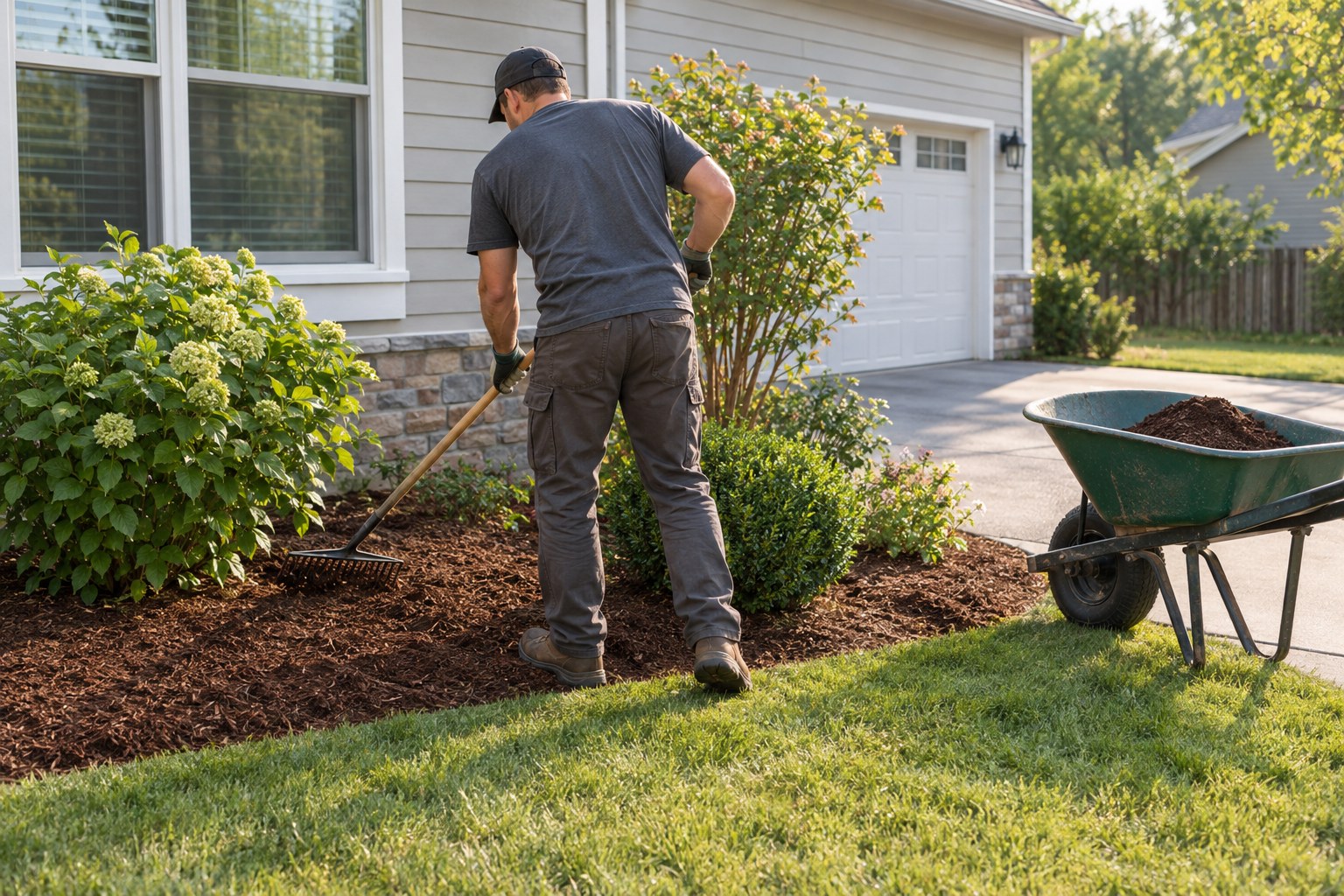
So I posted an ad offering basic garden work: pulling weeds, trimming bushes, and spreading mulch. I didn’t own everything I needed. My friend loaned me a wheelbarrow, a rake, a tarp, and a shovel for a small rental fee. I borrowed a truck from my father-in-law.
For my first job, I bought a basic pair of shrub trimmers. I didn’t have a backpack blower, so I cleaned up with a broom and a rake. My wife helped me, and I made about $170 in profit.
That money gave me a way to make the next step. I bought a used backpack blower from a pawn shop.
That’s one way to get started: use the skills you already have, take on work you can handle, and put some of what you earn toward the next tool you need. You don’t need to offer every landscaping service right away. Start with work you know how to do safely and well.
Maybe you mow lawns. Maybe you trim shrubs, pull weeds, spread mulch, or do cleanups. Choose a service you can explain clearly and deliver reliably. Then focus on getting the job done right.
Find the First Customer
A business needs customers. Fancy equipment won’t help much if nobody knows you’re available.
I posted an ad online, listed the services I could do, and included my phone number. Today, you have more options: local social media groups, business listings, community sites, yard signs, and referrals from people you know. You don’t have to use every channel at once. Start with one or two and make it easy for a customer to reach you.
When someone calls, ask questions before giving a price. What work do they want done? How big is the area? Are there obstacles or overgrown sections? Do they expect you to haul away the debris or leave it in a pile?
Be clear about what the price includes. If the customer adds more work, talk about the extra cost before you do it. That helps everyone understand the plan.
You may be tempted to charge less than everyone else because you’re just starting out. But a low price doesn’t automatically make a job a good one. You have to account for your time, fuel, materials, travel, equipment, and repairs. Keep notes on what you charged and how long the work took. Over time, those notes can help you see whether your prices make sense.
Build Your Setup One Step at a Time
For a while, I was doing side jobs around my regular job. I posted ads and worked evenings and weekends. I didn’t have a reliable truck of my own, so I had to make do with what I could use.
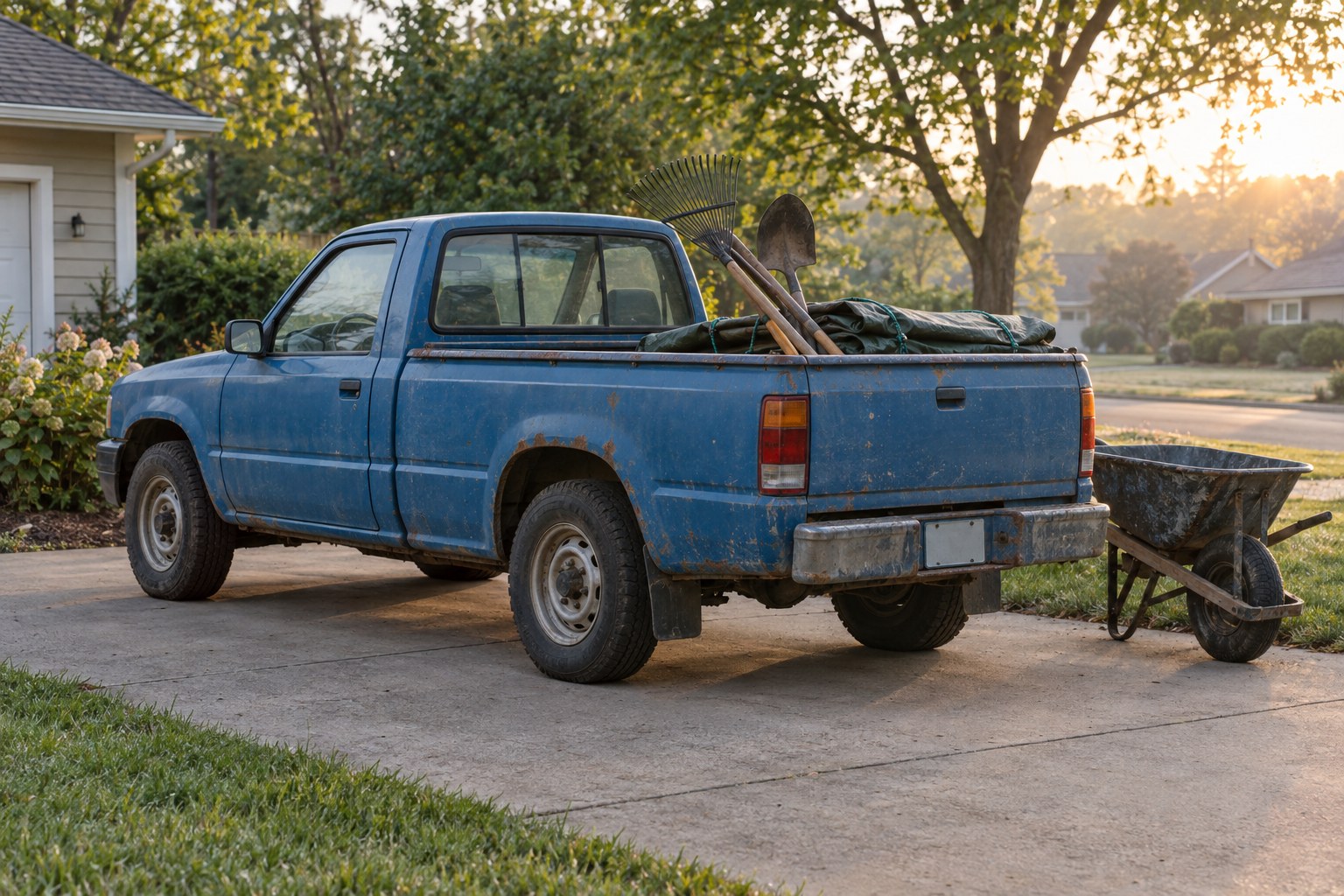
Eventually I bought a used 1991 Dodge Dakota with a quarter million miles and plenty of rust. I called it the Blue Goose. It wasn’t a shiny new work truck, but it helped me carry my tools and get to the jobs.
The Blue Goose was a step forward—not because a truck makes you a business owner, but because it solved a problem I had at that point.
When you’re starting out, ask yourself what is actually keeping you from doing the next job. Can you borrow a tool? Rent one? Find a used version? Is the problem really your equipment, or do you need more customers and a better schedule first?
Spend carefully. A purchase should help you do the work you’re getting paid to do. You don’t need to buy equipment just to look established.
Make It More Than a Bunch of Side Jobs
The work starts feeling like a business when you begin keeping track of it.
Write down each customer’s name, the work you agreed to do, the price, and when the job is scheduled. Record what you spend on supplies, fuel, and repairs. Follow up after the job and make sure the customer is happy.
This may sound simple, but simple systems are useful. When you’re doing a few jobs, it’s easy to keep everything in your head. As the calls and appointments add up, forgotten details can cost you time and trust.
Reliability matters, too. Show up when you say you will. If something changes, let the customer know. Clean up the property before you leave. Customers remember whether you made the job easy for them.
Know When You’re Ready for the Next Step
After about six weeks of side jobs, I made the decision to leave my lawn care job and focus full-time on landscaping. That was my decision in my situation—it isn’t a rule that everyone should quit their job as soon as they get a few customers.
Before making a big change, look at your bills, your savings, the work you’ve booked, and the people who depend on you. If you can build the business while keeping steady income, that may give you more room to plan. Starting a business takes effort, but it also takes careful decisions.
My landscaping business didn’t begin with the perfect truck or a full set of equipment. It began with experience, a few borrowed tools, an online ad, and a customer who needed work done.
Start with the skill you have. Find one customer. Do the work well. Keep track of what you earn and spend. Then use what you learn to take the next step.
That’s how a side hustle can start becoming a real service business—one job at a time.
